


SEPTIC P2 Header HR
SEPTIC MOB P2 Header HR

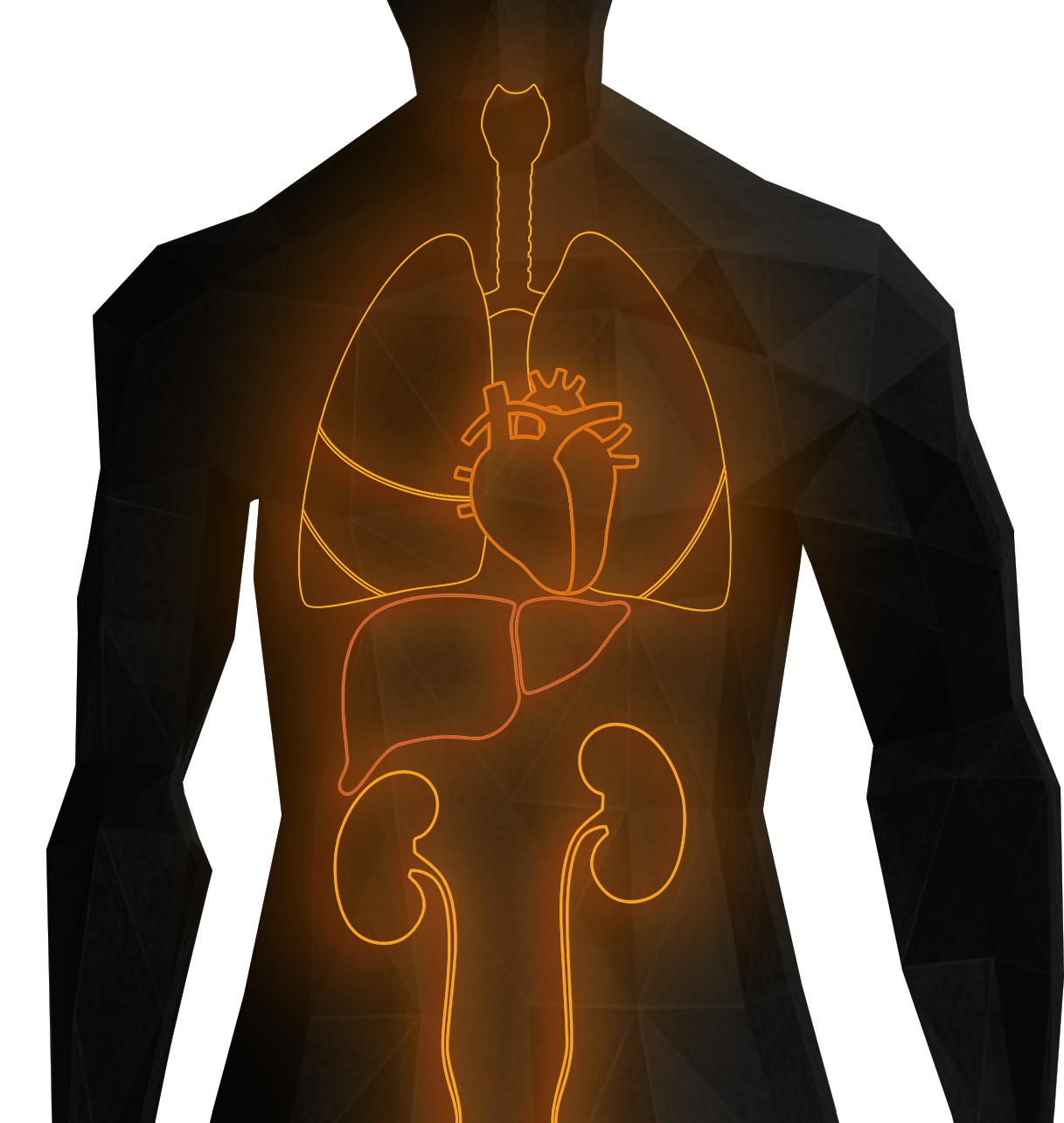
Patient factors associated with RAAS dysfunction in septic
shock-related hypotension1-5

Disease-related
factors:

CKD 
In CKD, renin release is dysregulated, which may blunt ANG II activity1

AKI 
AKI is associated with elevated plasma renin concentrations, reflecting inadequate production of ANG II2

ARDS

Pulmonary endothelial injury reduces
ACE expression and activity in the lungs, leading to impaired ANG II generation and diminished vasoconstrictive response3


Decompensated liver disease
Cirrhosis and advanced liver disease are characterized by low ANG II production despite hypotension4
Medication-related factors:

ACE inhibitor exposure
ACE inhibitors blunt conversion of
ANG I to ANG II5


ARB exposure
ARBs block AT1 
receptor activity1

In cases where RAAS dysfunction is suspected, ANG II
supplementation may help restore hemodynamic stability1

Patient factors associated with RAAS dysfunction in septic shock-related hypotension1-5

820 Organ AdobStk_5104064792x upscale copy

Disease-related factors:

CKD
In CKD, renin release is dysregulated, which may blunt ANG II activity1

AKI 
AKI is associated with elevated plasma renin concentrations, reflecting inadequate production of ANG II2

ARDS
Pulmonary endothelial injury reduces ACE expression and activity in the lungs, leading to impaired ANG II generation and diminished vasoconstrictive response3

Decompensated liver disease
Cirrhosis and advanced liver disease are characterized by low ANG II production
despite hypotension4
 

Medication-related factors:

ACE inhibitor exposure
ACE inhibitors blunt conversion of
ANG I to ANG II5


ARB exposure
ARBs block AT1 
receptor activity1
 
In cases where RAAS dysfunction is suspected, ANG II supplementation may help restore hemodynamic stability1

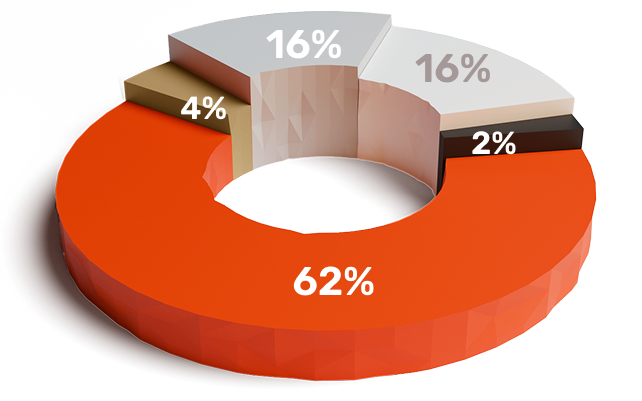
Categories of shock and prevalence in the ICU6

Distributive shock

Key deficit lies in the periphery with decreased systemic vascular resistance and altered oxygen extraction6


 4% Non-septic distributive shock

 62% Septic shock


Non-distributive shock

Characterized by low cardiac output
and inadequate oxygen transport6


 16% Hypovolemic shock

 16% Cardiogenic shock

   2% Obstructive shock


ACE=angiotensin converting enzyme; AKI=acute kidney injury; ANG=angiotensin; ARB=angiotensin receptor blocker; ARDS=acute respiratory distress syndrome; AT1=ANG II type 1; CKD=chronic kidney disease; ICU=intensive care unit; RAAS=renin-angiotensin-aldosterone system.

References: 1. Ma TK, et al. Br J Pharmacol. 2010;160(6):1273-1292. 2. Tumlin JA, et al. Crit Care Med. 2018;46(6):949-957. 3. Leisman DE, et al. Ann Intensive Care. 2023;13(1):128. 4. Sansoé G, et al. J Hepatol. 2004;40(3):417-423. 5. Bellomo R, et al. Am J Respir Crit Care Med. 2020;202(9):1253-1261. 6. Vincent J-L, et al. N Engl J Med. 2013;369(18):1726-1734.

Categories of shock and prevalence in the ICU6

New pie chart-2

Distributive shock

Key deficit lies in the periphery with
decreased systemic vascular resistance and
altered oxygen extraction6

 
 4% Non-septic distributive shock

 62% Septic shock

Non-distributive shock

Characterized by low cardiac output
and inadequate oxygen transport6

 
 16% Hypovolemic shock

 16% Cardiogenic shock

   2% Obstructive shock
 

ACE=angiotensin converting enzyme; AKI=acute kidney injury; ANG=angiotensin; ARB=angiotensin receptor blocker; ARDS=acute respiratory distress syndrome; AT1=ANG II type 1; CKD=chronic kidney disease; ICU=intensive care unit; RAAS=renin-angiotensin-aldosterone system.

References: 1. Ma TK, et al. Br J Pharmacol. 2010;160(6):1273-1292. 2. Tumlin JA, et al. Crit Care Med. 2018;46(6):949-957. 3. Leisman DE, et al. Ann Intensive Care. 2023;13(1):128. 4. Sansoé G, et al. J Hepatol. 2004;40(3):417-423. 5. Bellomo R, et al. Am J Respir Crit Care Med. 2020;202(9):1253-1261. 6. Vincent J-L, et al. N Engl J Med. 2013;369(18):1726-1734.